

Guía para principiantes
- ¿Cómo se juega al Black Jack?
- ¿Dónde jugar al Black Jack?
- Depositar y retirar dinero
- Términos utilizados en el juego
- Historia del Black Jack
- Practica jugando gratis
- Contar cartas black jack
- Jugar Black Jack en vivo
- Reglas del BlackJack
- Sistemas de juego
- Jugadores de BlackJack
- Casino online en vivo
Casinos Recomendados
Promoción imperdible

Sitios relacionados

Casino game certification importance
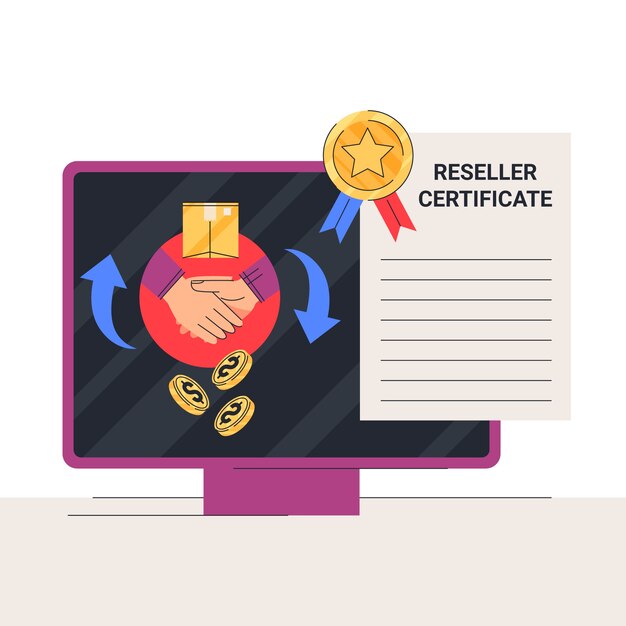
Certifying your casino games boosts credibility and attracts players. Reliable certification from reputable agencies ensures fairness and transparency, giving players confidence. By promoting certified games, you highlight your commitment to integrity.
Certifying your casino games is essential for establishing trust and reliability in the gaming industry. Players feel more secure knowing that the games they play have undergone rigorous testing to ensure fairness and transparency. By obtaining certification from leading certifying bodies like eCOGRA or iTech Labs, operators can effectively demonstrate their commitment to high standards and player protection. This not only enhances player loyalty but also provides a significant marketing advantage in a competitive landscape. For more on enhancing your gaming operation, explore our insights on certification and compliance at casinodieppe-online.com.
Consider these benefits:
1. Increased Player Trust: Certifications signal that your games meet industry standards, enhancing player trust and loyalty.
2. Regulatory Compliance: Meet legal requirements effortlessly. Certification helps you navigate the complex regulations smoothly.
3. Marketing Edge: Stand out in a competitive market. Highlighting certification can be a compelling selling point for your offerings.
Your games deserve recognition. Invest in certification today to elevate your brand and attract a wider audience.
The Importance of Regulatory Compliance in Online Gambling
Always choose online gambling platforms that operate under strict regulatory standards. This ensures a secure environment for players and enhances trust in the brand.
Regulatory compliance guarantees fair play. Licensed casinos implement rigorous testing of games to verify their randomness and honesty. Players can enjoy a level playing field, knowing that the outcomes are not manipulated.
Moreover, compliance protects players' rights. Licensed operators are required to adhere to rules regarding responsible gaming, age verification, and dispute resolution. These measures safeguard players from gambling-related harms.
Operators face substantial consequences for non-compliance, including hefty fines and the loss of their licenses. This encourages them to maintain high operational standards.
Regular audits by regulatory bodies further enhance transparency. These audits ensure that operators continuously meet the required standards, maintaining the trust of their user base.
When choosing an online casino, check for licenses from reputable authorities such as the UK Gambling Commission or the Malta Gaming Authority. This guarantees that you are playing in a safe environment.
In conclusion, prioritizing regulatory compliance in online gambling is beneficial for both players and operators, leading to a more enjoyable and secure gaming experience.
Key Certification Standards for Casino Games Explained
Certification of casino games is a fundamental process that ensures fair play and integrity in gaming operations. Several recognized standards play a key role in determining the reliability of these games. Here’s a closer look at these standards.
| Certification Standard | Description | Importance |
|---|---|---|
| Random Number Generation (RNG) | RNG systems provide random outcomes for games, ensuring unpredictability in results. | Guarantees fair play and that outcomes aren’t manipulated. |
| Payout Percentage (RTP) | This standard measures the percentage of wagered money that a game returns to players over time. | Informs players about potential profitability and fairness. |
| Game Rules Compliance | Ensures that all rules are clearly stated, accessible, and adhere to regulatory requirements. | Aids in transparency and player understanding of how games function. |
| Sensitivity Testing | Assesses how games react to certain inputs and their associated outcomes. | Validates the expected behavior of games, enhancing trust among players. |
| Software Security | Evaluates the security measures implemented to protect player data and financial transactions. | Builds confidence in players regarding their safety when engaging with online platforms. |
Adhering to these standards affords both operators and players a clearer understanding of game integrity and security. Regular audits and checks ensure continuous compliance, reinforcing the commitment to fairness within the gaming industry.
How Certification Impacts Player Trust and Game Popularity
Certified casino games enhance player trust significantly. Players tend to favor titles from developers who consistently seek and obtain certifications from reputable testing agencies. This not only assures them of fair play but also indicates a commitment to quality and transparency.
The certification process verifies the randomness and integrity of game mechanics. This transparency can elevate a game's appeal, as players feel assured that outcomes are not manipulated. Statistics show that certified games often witness higher player retention rates, as confidence in the product directly correlates to ongoing participation.
Game popularity rises when players share their positive experiences within their networks. A game that is certified is more likely to receive recommendations, driving organic growth. Players frequently discuss qualities like fairness and security, which are directly associated with certification.
Moreover, certifications can open new distribution channels. Many online casinos prioritize listing certified games, making them more accessible to a broader audience. This exposure not only boosts the number of players but also enhances the game's standing within the industry.
Regular audits and certifications also encourage developers to maintain high standards, fostering innovation in game design and features. Games that are updated frequently with certified content tend to attract players seeking fresh experiences, leading to increased popularity.
In conclusion, certification serves as a fundamental pillar for building trust among players and driving the popularity of casino games. Embracing certification is a win-win for both developers and players, creating a more vibrant gaming experience.
Evaluating Different Certifying Bodies in the Gambling Industry
Choose certifying bodies that have gained recognition for their stringent testing procedures and transparent practices. Look for organizations such as eCOGRA, iTech Labs, and GLI, each offering unique strengths in game testing and certification. eCOGRA focuses on player protection and fair play, while iTech Labs is known for its cutting-edge technology in testing gaming software. GLI has a reputation for its global reach and compliance with various regulatory requirements.
Evaluate the specific standards each body employs. For example, some organizations assess RNG (Random Number Generator) fairness, while others may prioritize compliance with local regulations. Understanding these nuances helps determine which certifier aligns best with the operational needs of your gaming platform.
Examine their reporting processes. Reliable certifying bodies provide detailed reports that outline their findings and methodologies. These reports not only enhance transparency but also help operators understand how their games measure against industry standards. Seek out certifiers that communicate effectively and are open to discussions regarding their testing outcomes.
Consider the certifications recognized within your target market. Certain jurisdictions may favor specific certifications, impacting your game's acceptance in those areas. Ensure your chosen certifying body holds the necessary accreditations to operate within your desired regions.
Check the duration and history of each certifying body. Established organizations typically have more experience in identifying potential issues and are better equipped to troubleshoot any challenges in certification processes. A long-standing reputation often indicates reliability and industry respect.
Finally, assess customer reviews and case studies. Testimonials from other operators can provide valuable insights into the certifying body’s responsiveness and service quality. Look for feedback that highlights quick turnaround times and customer support reliability to ensure a smooth certification experience.
Steps to Achieve Certification for Your Casino Game
Prepare your game documentation meticulously. Include design specifications, game rules, and algorithms. Clear and thorough documentation streamlines the certification process.
Select an accredited testing laboratory recognized by regulatory bodies. Research their services and ensure they have expertise in your game type. Establish communication early to clarify any requirements.
Submit your game for testing. The lab will thoroughly evaluate its mechanics, software, and compliance with regulations. Be responsive to any inquiries during this phase to expedite the process.
Address any feedback from the testing lab. Make necessary adjustments based on their findings. This proactive approach demonstrates your commitment to quality and compliance.
Request certification upon passing all tests. Ensure that all necessary paperwork is complete to avoid delays. Maintain open lines of communication with the lab during this final step.
Keep your documentation organized for future audits and reviews. This practice not only helps maintain compliance but also prepares you for any modifications or new releases.
Stay informed about changes in regulations and gaming standards. Regular updates and renewals of your certification can be critical as the industry evolves.
Long-term Benefits of Certification for Game Developers
Investing in certification pays off significantly for game developers. Certification enhances trustworthiness among players and operators, leading to increased market share. By demonstrating compliance with industry standards, developers attract partnerships with recognized casinos and platforms.
Streamlined development processes stem from having clear guidelines that certification provides. This clarity reduces time spent on revisions and ensures a smoother workflow, which leads to timely releases. As products reach the market faster, developers gain a competitive edge.
Regular audits and reviews included in the certification process provide invaluable feedback. This allows developers to identify weaknesses and improve game mechanics, ultimately leading to a higher quality product that enhances player satisfaction.
Furthermore, brands that hold certifications often see a higher level of player retention. Players gravitate toward games they know are fair and secure. This loyalty translates to better long-term revenue streams and a solid player base.
Engaging in the certification process may also open doors for international expansion. Many regions require specific certifications to operate legally, and adhering to these regulations simplifies entry into new markets.
Lastly, staying current with certification standards encourages a culture of innovation. Developers are motivated to continuously improve their offerings, leading to an exciting and engaging product line that keeps pace with industry expectations.